
Most folks around here have no idea that these 90° days are quietly doing a number on their pipes right now.
July in Acadiana means crawfish leftovers in the freezer, the kids in and out of the pool all day, and showers running longer than they ought to. It’s a good time of year. But while you’re out back tending the grill, your plumbing is working overtime, and the heat is harder on it than most people realize.
Here’s the thing nobody tells you: summer doesn’t just make you sweat. It expands your pipes, cooks the inside of your water heater, and pushes everything outside to its limit. And the worst part? You usually don’t notice until something’s already gone wrong.
So let’s walk through the five biggest ways the heat sneaks up on your plumbing, and the simple stuff you can do to head off a small problem before it turns into a $3,000 headache.
1. Your Pipes Are Expanding (And They Don’t Love It)
This one’s sneaky because you can’t see it happening. When the temperature climbs, the metal and even some of the plastic in your supply lines expand a little. When things cool back down overnight, they contract.
Day after day, that back-and-forth puts stress on your pipe joints and fittings. Over time, that’s how you end up with a slow leak behind a wall or under the slab. The kind you don’t catch until your water bill jumps or you smell something musty.
Around here, a lot of our older homes have copper that’s been doing this dance for decades. If you’ve got a pipe that ticks or knocks when the water’s running, that’s worth a look. It’s usually an easy fix when you catch it early, and a real mess when you don’t.
Quick tip: Walk your house once a month and check under sinks for any dampness or little green and white crusty spots on copper fittings. That crust is dried mineral from a slow leak.
2. Your Water Heater Is Quietly Losing Steam
You’d think summer would give your water heater a break. Mais, not really.
When it’s hot out, your incoming water is warmer, but folks are also using a whole lot more of it. More showers, more loads of swimsuits and towels, more dishes after every cookout. Your tank’s running harder than you think.
And here’s what’s really going on inside: sediment. All that sand and mineral that settles to the bottom of your tank bakes onto the heating surface, and your water heater has to fight through it to do its job. That means higher energy bills and a unit that wears out years before it should.
If you hear popping or rumbling from your water heater, that’s the sediment talking. A flush takes about 45 minutes and can add real life to the thing. Honestly, late summer is the perfect time to do it before the holidays roll in and you’ve got a house full of company.
3. Your Sprinkler and Irrigation Setup Is Under Pressure
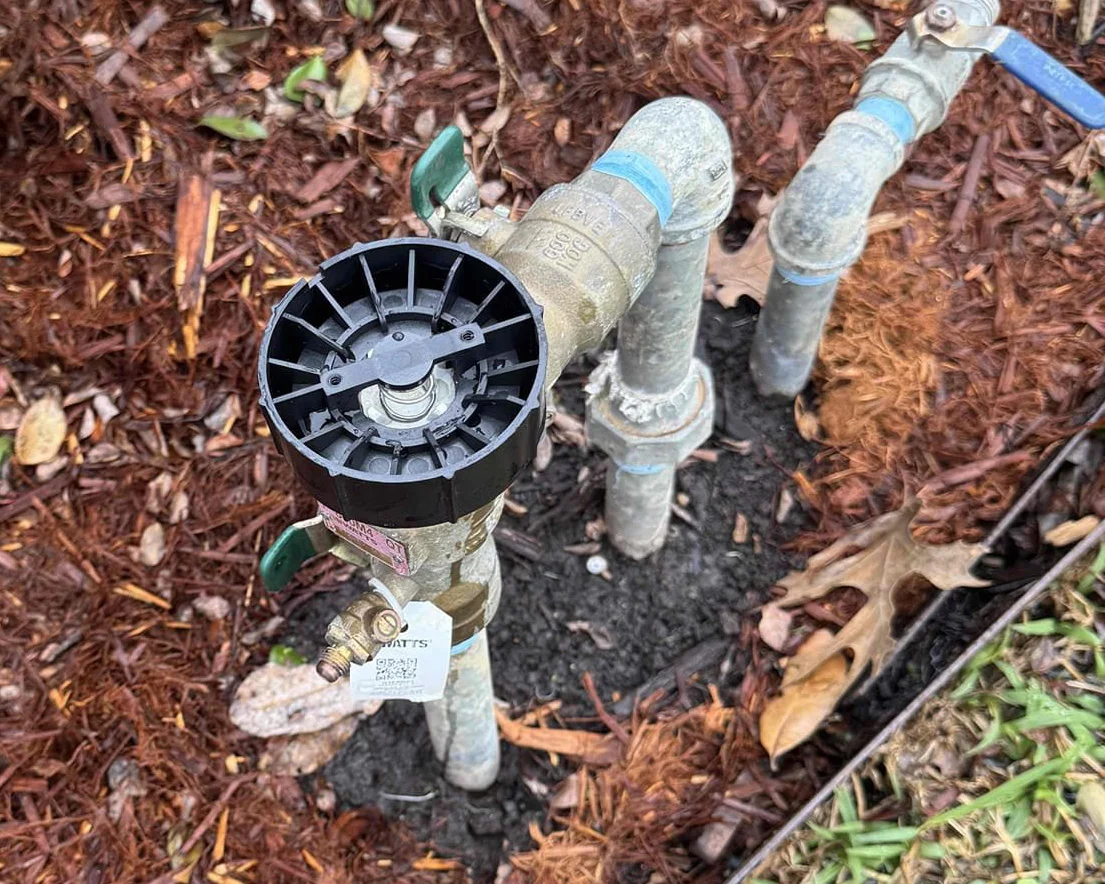
If you run an irrigation system to keep the St. Augustine green through July, your outdoor plumbing is taking a beating right now.
The heat dries out the ground and the system runs longer to compensate. That extra run time wears on valves, exposes weak spots in the lines, and a busted underground line can run for days before you ever notice a soggy patch in the yard.
A cracked sprinkler head or a leaking valve might not seem like a big deal, but it’s wasted water you’re paying for every single cycle. And down here, the heaving and settling soil doesn’t do those buried lines any favors either.
Quick tip: Run a full cycle once and just watch. Look for heads that aren’t popping up right, spots that geyser, or low areas that stay wet long after the water’s off. Those are your trouble signs.
4. The Garbage Disposal Is Working Way Harder Than Usual
Summer’s the season of company. Backyard boils, birthday parties, the whole family showing up unannounced because they heard you were frying fish.
All that cooking means your garbage disposal and kitchen drain are getting hit with a lot more than they’re built for. Grease, corn husks, watermelon rinds, potato peels, all that fibrous stuff is a fast track to a clog right when you’ve got a sink full of dishes and people in the house.
The disposal can handle a lot, but it’s not a trash can. Grease is the big one. It pours in looking like a liquid, then it cools and hardens up downstream where you can’t reach it.
Quick tip: Let grease cool in the pan and toss it in the trash. Run cold water for about 15 seconds before and after you use the disposal, and feed it slow. Your drain will thank you come August.
5. Your Outdoor Hose Bib Is Getting Beat Up
That little spigot on the side of your house works hard all summer and gets zero respect. Filling pools, washing the truck, watering the flower beds, hosing the kids off before they track pool water through the house.
All that use, plus sun beating on it and the constant connect-and-disconnect of the hose, wears down the seals and the valve inside. A drippy hose bib seems like nothing, but a worn one can crack, and a crack on an outdoor faucet can send water right back toward your foundation or into the wall behind it.
Down here, where we already fight moisture and our foundations don’t need any extra help, that’s the last thing you want.
Here’s a real one, and it happened right here in Youngsville. A homeowner had a hose bib on the side of the garage that leaked from the handle every time they turned it on. That’s a classic worn-out bib. Years of twisting it on and off finally chews up the valve and the seals inside, and then it weeps every time the water runs.
We opened the access behind the faucet, cut the old bib out, and set a new one, secured to the garage with our own mounting plate. Then we put a gauge on it and pressure-tested it to make sure it was holding before we called it done. That same visit, the homeowner also had a corroded copper connection leaking on the line feeding the master tub, the slow kind that hides out of sight until it’s already caused trouble, so we cut that out and switched it over to PEX.
One trip, both leaks gone, everything tested and warrantied before we packed up. That’s the whole point. A hose bib is about the cheapest thing on this list to handle when you stay ahead of it, and one of the bigger headaches when you let it weep into the wall all season long.
Quick tip: Turn your outdoor faucet all the way off and check for any drip at the spout or seeping around the handle. If it won’t quit dripping, the washer or valve’s worn and it’s cheap to fix now versus later.
A Little Prevention Goes a Long Way
None of this is meant to scare you off your summer. It’s just that the heat down here is no joke, and your plumbing feels it the same way you do.
The good news is every single one of these is easy to get ahead of. A quick walk around the house, a water heater flush, a look at your outdoor fixtures. That’s most of the battle right there. Catching the small stuff in July is what keeps you from a busted pipe or a flooded kitchen in the middle of a holiday weekend.
That’s the whole idea behind doing this kind of thing before the season really peaks. A little attention now, a lot less stress later.
Want to make it easy on yourself? Grab our free Summer Plumbing Checklist, a simple printable that walks you through your whole home in about ten minutes, no plumber required. Or if anything in this post gave you pause, contact A 5 Star Plumbing Co. online at a5starplumber.com/contact-us or call us at (337) 202-0246 and we’ll come take a look. We’re proud to keep Acadiana homes running right, one visit at a time.
Laissez les bons temps rouler, just not because your water heater quit on you.